Gambling Disorder: Signs, Effects, and Treatment
How to Prevent and Treat Gambling Disorder
Taking chances is something everyone understands well, since it’s one of the shortcuts people use to get what they want — whether money or other things — such as buying a lottery ticket. Of course, taking chances sometimes comes in the form of “gambling” in illegal forms, such as underground lotteries or football betting. The prospect of a payout drives many people to become unable to stop gambling, unable to control the urge, until it develops into what’s known as “gambling disorder.”
What is gambling disorder?
Gambling disorder is a recognized psychiatric condition. People with this disorder cannot control themselves or resist the urge to gamble, and they become preoccupied with gambling for much of their time. When disappointed by the outcome, they often develop related symptoms, such as depression or drinking, and in severe cases even drug use — along with problems across various parts of life, including work, school, or family.
According to the American Psychiatric Association’s diagnostic criteria, the signs and symptoms of gambling addiction can be organized under the mnemonic “WAGER OFTEN” for easy recall:
1. Withdrawal — feeling restless or irritable when trying to stop or cut down on gambling
2. Affect significant relationship — losing important relationships, work opportunities, education, or a career because of gambling
3. Goal is to get even by chasing — after losing money gambling, repeatedly trying to go back and win it back
4. Escape — gambling as a way to escape problems, or to feel better when feeling distressed
5. Rescue — needing others to provide money to bail them out of gambling debt
6. Outside the laws — breaking the law, such as forging documents or stealing, to get money to pay off gambling debts
7. Failure to control — repeatedly trying and failing to control, cut down, or stop gambling
8. Tolerance — gambling with increasingly larger amounts of money to maintain the same level of excitement
9. Evades telling the truth — lying to family, doctors, or others to hide their gambling
10. Needs to think about gambling — being preoccupied with gambling constantly, reliving past wins and losses, planning ahead for how to win next time, or thinking of ways to get money for the next round of gambling
Five or more of the above symptoms indicate gambling addiction. Three or four symptoms indicate a gambling problem. One or two symptoms place someone in the category of an at-risk gambler.
Types of Gambling Today
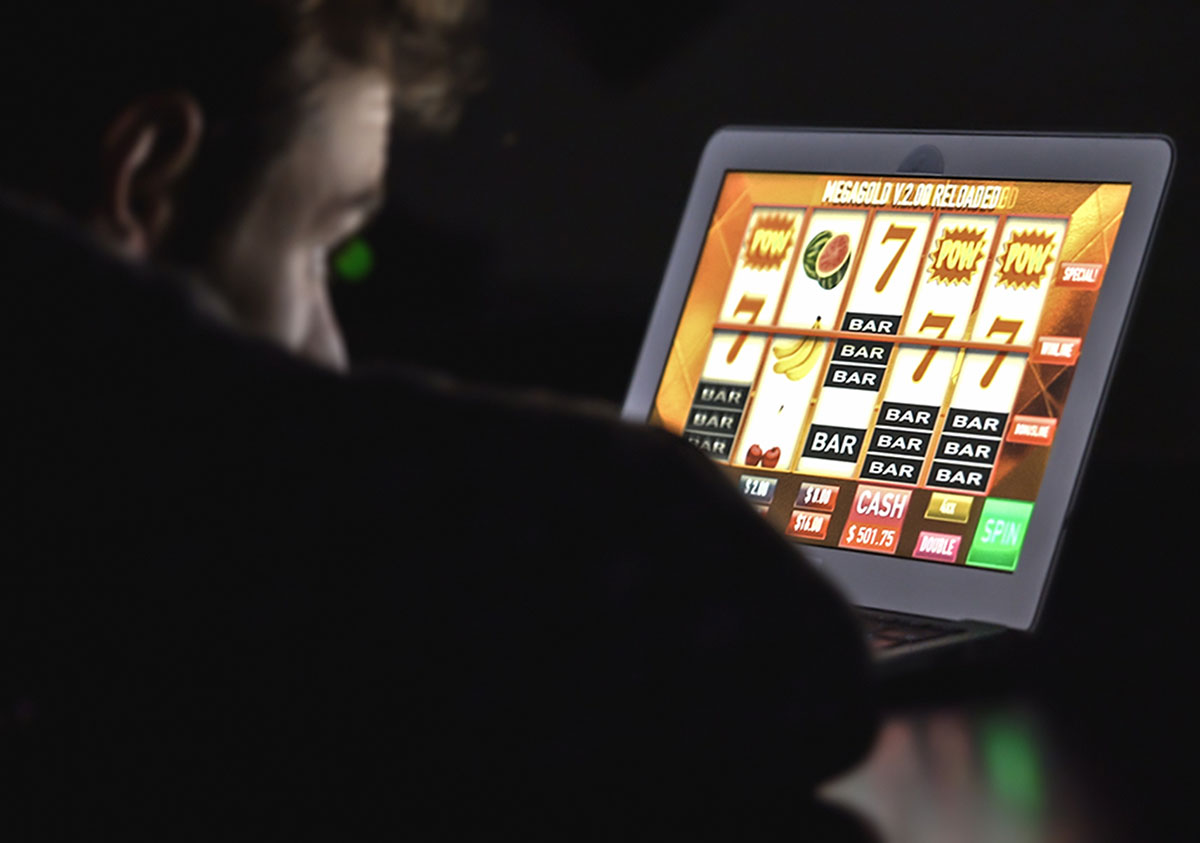
Gambling, or taking chances, refers to any type of game where players stake money, with an outcome of winning or losing — creating an unpredictable chance of gaining or losing money. Gambling today exists both online and offline. Popular forms of gambling among Thai people include baccarat, pok deng and other card games, slot machines, sports betting, various lotteries, and even esports betting. Betting on sports outcomes, such as football, involves an especially high volume of money in circulation and a relatively high proportion of young participants. Casino games such as roulette, poker, and automatic gaming machines, lottery draws, scratch cards, sports predictions, and other forms of gambling such as raffles and dice games are all forms of gambling as well.
How to Recognize the Warning Signs of Gambling Addiction
Family members and people close to someone should watch for changes in their behavior — such as declining performance at school or work, withdrawing from their social group, or becoming unusually preoccupied with something. They can help by gently reminding the person to be self-aware and exercise self-control around media consumption, since there is now a great deal of content designed to provoke and persuade.
For anyone unsure whether they may be developing a gambling addiction, a simple 20-question screening tool is available. Answering “yes” to 7 or more questions suggests a tendency toward a gambling problem:
• Has gambling ever caused you to lose time from work or school? • Has gambling ever made your home life unhappy? • Has gambling ever affected your reputation? • Have you ever felt remorse after gambling? • Have you ever gambled to get money to pay off gambling debts? • Has gambling ever made you less efficient? • After losing, have you felt you must return as soon as possible to win back your losses? • After winning, have you had a strong urge to return and win more? • Have you often gambled until all your money was gone? • Have you ever borrowed money to finance gambling? • Have you ever sold things to finance gambling? • Have you ever been reluctant to use “gambling money” for normal expenses? • Has gambling ever made you careless about the welfare of yourself or your family? • Have you ever gambled longer than you had planned? • Have you ever gambled to escape worry or trouble? • Have you ever committed, or considered committing, an illegal act to finance gambling? • Has gambling caused you difficulty sleeping? • Do arguments, disappointments, or frustrations create an urge to gamble? • Have you ever had a desire to celebrate good fortune with a few hours of gambling? • Have you ever hurt yourself or attempted suicide as a result of gambling?
How to Prevent Gambling Disorder
1. The family is considered the most important line of defense for young people. Close attention alone is not enough — parents must also show their children clearly that gambling brings ruin to a family. A parent’s stance matters greatly here: it must be genuine, not just an empty threat or a resigned shrug followed by letting the matter drop, because that would signal to the child that the parent isn’t actually serious.
2. Being serious doesn’t require anger or aggressive behavior. A gentler approach — patiently working to understand and resolve a child’s problems — keeps a struggling child within the family’s sight far better than resorting to harsh methods, which often make things worse.
3. Work together to think through solutions. When a child develops a gambling problem, if the family cannot resolve it or doesn’t know how, it’s best to consult government agencies that offer counseling, such as mental health services or school support services.
4. Encourage the person with the gambling problem toward constructive activities, such as exercise, and build activities that strengthen family relationships. Reduce criticism and blame, and instead offer praise whenever the child manages to do something positive and constructive.
5. Society and family must work together to build new values — such as valuing sufficiency and rejecting the idea of getting rich quickly, since such shortcuts offer far less chance of success than genuine hard work and perseverance. Avoid giving importance to people who appear to be role models for young people but behave poorly.
6. Someone with a gambling addiction should practice overcoming their own urges repeatedly, and praise themselves each time they succeed. When every other approach has been tried without success, another option that can help is consulting mental health professionals. DAY ONE REHABILITATION CENTER has a wide range of specialists who can treat gambling disorder, reduce its severity, help symptoms improve, and support a return to society.
For more information, contact us at 99/1 Moo 6, Si Chula, Mueang Nakhon Nayok, Nakhon Nayok 26000, Thailand +66 64-645-5091 Mon – Sun: 9:00 AM – 5:00 PM (ICT)