The Real Dangers of Quitting Drugs Cold Turkey
The Real Dangers of Quitting Drugs on Your Own
Drug addiction is a matter of national priority in Thailand. Annual estimates suggest that as many as 1.4 million people use drugs each year. Alongside a rising number of users year after year, cross-border drug trafficking has been climbing at a similarly high rate — between October 2020 and June 2021 alone, Thailand’s Royal Police reported 84 cross-border trafficking cases. Both the number of dealers and the number of people using drugs keeps growing every year. Drugs don’t just harm the person using them — the damage spreads to the whole family as well.
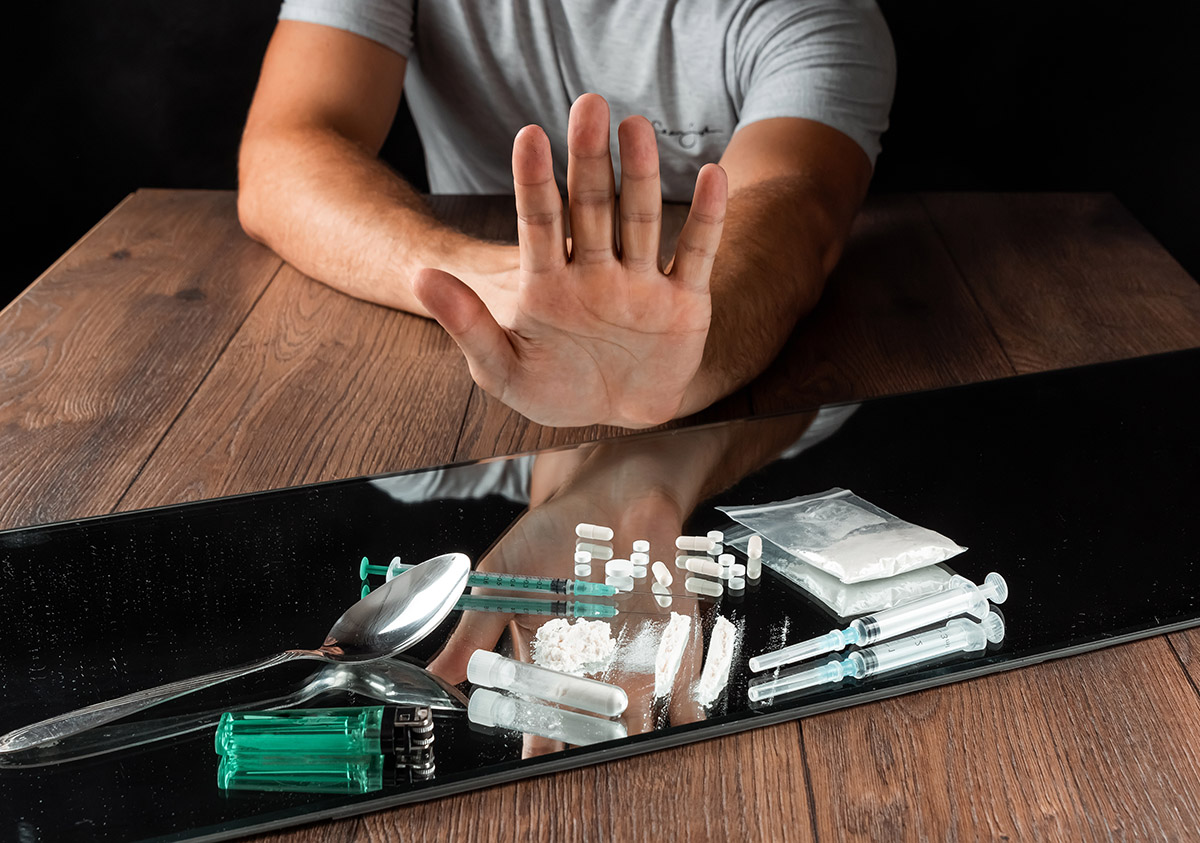
Whatever your situation, if you’re currently looking for a way to quit drugs entirely on your own, we want you to first take the time to understand the risks of quitting without support. In English, this is known as going “cold turkey” — stopping abruptly, without the care of a medical team or specialist. Not only is this approach difficult, it is also highly unsafe, and in some cases, it has proven fatal.
The Dangers of Quitting Drugs on Your Own
Quitting on your own can be dangerous for someone who has used drugs over a long period. Stopping abruptly, without support, can bring on distressing side effects known as withdrawal symptoms, or “long daeng.” Withdrawal symptoms vary depending on the substance used, but in general, they tend to run opposite to the drug’s own effects. For example:
-
If the person used a stimulant, such as yaba, ice, or cocaine, withdrawal typically brings drowsiness, weakness, lack of energy, dizziness, and in some cases, depression.
-
If the person used a depressant, such as alcohol, opioid derivatives, heroin, or tramadol, stopping brings on restlessness, elevated blood pressure, an abnormally rapid pulse, nausea and vomiting, body aches, and bloody stool; in severe cases, this can progress to seizures, confusion, hallucinations, loss of consciousness, and death.
-
For hallucinogens or mixed-action drugs, such as cannabis, withdrawal symptoms may be less specific, but they share features common to withdrawal from most substances — cravings, preoccupation with the drug, mood swings, and restlessness.
A person may not be able to tolerate these withdrawal symptoms, which is often what drives them back to using again and again. The strongest trigger for relapse is the same social environment as before — if you’re still spending time with the same friends who use drugs, the chances of relapsing are high.
What to Do When You’re Looking for a Way to Quit
Quitting drugs isn’t something you can simply decide to do one day and have it happen instantly, because drugs damage the body’s internal systems and affect the mind. Even after someone quits, or while they’re looking for a way to quit on their own, there is still a real chance of relapse, because many people mistakenly believe they can quit “whenever they feel like it” — but in reality, very few people are able to do that. You should instead look for a way to quit by consulting a doctor or specialist, who can help you find a treatment approach that is sustainable and effective at treating and restoring the mind, so you don’t turn back to using again.
Why We Should Enter Treatment at a Drug Rehabilitation Center
-
A person should be assessed by a psychiatrist, since some cases involve severe withdrawal, mood instability caused by substance use, or psychiatric symptoms such as paranoia and hearing voices — which require medication to treat both the physical and psychiatric symptoms, alongside a psychiatrist’s care. Day One Rehab Center has psychiatrists on hand to assess and advise on these symptoms.
-
Quitting on your own can leave you without support or encouragement. But entering treatment at a drug rehabilitation center means following the proper steps for quitting, with activities to keep you engaged so you don’t spiral into distracted, anxious thoughts about going back to using.
-
Whether a person is in the early stages of addiction or a more severe stage, entering a rehabilitation center can help, because these centers have specialists providing close supervision, which reduces the risk of shock or loss of consciousness from withdrawal.
-
Entering a drug rehabilitation center isn’t as bad as some people think. Some believe going to rehab is something to be ashamed of, but relapsing again is far more shameful. Proper treatment helps restore both the body and the mind of the person in treatment.
Drug Treatment Comes in Many Forms
-
Meditation supports psychological healing, helping you recognize your own thoughts and build mindfulness.
-
Exercise therapy — when we exercise, the brain releases a chemical known as “endorphins,” which create a sense of happiness, prevent the mind from circling back to the same repetitive thoughts, and help you sleep more soundly too.
-
Music therapy — experts around the world believe that “music” can soothe a patient’s mind effectively. Music also helps expand a patient’s imagination and build emotional skills.
-
Art therapy — art is an expression of who we are. You don’t need to be skilled at drawing to take part; anyone can create art. The artwork produced reflects the patient’s emotional state in that moment, and therapists can read that emotional state through the art and use it to guide the next stages of treatment.
-
Cooking also helps with therapy. Many drug treatment centers include cooking as part of their program, since it softens a patient’s emotional state and helps build focus on the task at hand — because nearly everyone struggling with addiction tends to lack focus. Bringing cooking into treatment is another option for this.
-
Gardening therapy — bringing patients into contact with plants, leaves, and soil, letting their hands get a little dirty, is good for the mind, since being close to nature is deeply relaxing. Once patients learn to grow something, it teaches them responsibility, and gives them the excitement of watching something grow and the pride of seeing a plant they planted with their own hands grow tall.
The best way to quit drugs is to enter treatment at a drug rehabilitation center, where treatment programs let each person choose what suits them best. At DAY ONE REHABILITATION CENTER, we offer families and people seeking treatment many programs to choose from — both group therapy and one-on-one therapy — with a team of specialist doctors providing close care throughout the program, in a resort-style setting in Nakhon Nayok province that makes people entering treatment feel as though they’ve come for a retreat. When someone seeking treatment receives proper care through a program suited to them, it helps restore both their body and mind — and a strong mind won’t lead a person back to using drugs again.
Frequently Asked Questions About Quitting Drugs, With Answers From Our Specialists
Quitting drugs is a process that requires effort and strength, both physical and psychological, to help patients return to living a normal, sustainable life. Day One Rehabilitation Center is a drug treatment and rehabilitation center with expertise in treating people with addiction and restoring mental health, with a team of psychiatrists and psychologists ready to provide close care.
To help you understand and prepare more effectively, we’ve gathered frequently asked questions about quitting drugs, along with answers from our specialists, to help ease your concerns and provide accurate information.
-
Will treatment actually cure addiction? Drug treatment can effectively help patients quit and reduce the chances of relapse — but success depends on many factors, such as the patient’s own commitment, family support, and continued treatment. At Day One Rehabilitation Center, we use a holistic treatment approach tailored to each individual, along with long-term follow-up, so patients can sustain healthy mental states and behaviors over the long run. Ongoing monitoring helps reduce the chances of relapse effectively.
-
Is treatment safe? Will it be painful? At Day One Rehabilitation Center, we place the patient’s safety and comfort first, with an experienced team of psychiatrists and psychologists, supported by non-medication therapy (in some cases) and psychiatric medication that assists with detox, easing physical and psychological symptoms so that treatment is safe and not distressing.
-
How is drug addiction actually treated? Day One Rehabilitation Center’s treatment program includes individual therapy with a psychotherapist, and group therapy activities focused on behavior change and building social adjustment skills. We also offer a Twelve-Step program that helps build lasting motivation to quit.
-
What does a typical day look like? Patients receive full daily care, including meals, nutrition, laundry, and housekeeping. There are also activities that support mental health, such as exercise, meditation, and various therapy programs, to help patients feel more relaxed and better able to adjust.
-
Can patients with psychiatric symptoms be treated? Day One Rehabilitation Center has a team of psychiatrists experienced in treating patients with co-occurring psychiatric conditions, such as depression, bipolar disorder, anxiety, or schizophrenia, with medication adjustments and close monitoring, so patients receive the most appropriate and safe treatment.
-
How long does treatment take? Treatment duration depends on the patient’s physical and mental condition. We generally recommend starting with 4 weeks, which is the time needed for detox and for the brain to gradually return closer to normal. That said, continuing treatment and follow-up for longer further reduces the chances of relapse. Day One Rehabilitation Center provides ongoing monitoring and counseling to prevent relapse for at least 1 year, through Piti Clinic, part of the same network as Day One, which focuses on monitoring and mental health recovery after patients leave the treatment center. Piti Clinic also offers telemedicine, so patients can be assessed and monitored remotely, ensuring continuous, comprehensive care.
Contact Piti Clinic — Phone: 090-230-6000
-
LINE: @piticlinic
-
Website: www.piti.co.th
-
Can relatives contact or visit the patient? For patient safety, Day One Rehabilitation Center does not allow patients to use their own phones, but relatives can reach the patient through staff, and can visit on designated days and at designated times.
-
Can we visit the facility beforehand? Yes — you can visit Day One Rehabilitation Center and ask about the details to feel confident about our treatment standards and safety.
-
What if the patient is uncooperative and refuses treatment? If the patient won’t accept treatment, we recommend consulting a psychologist or psychiatrist to find ways to talk with them and motivate them to enter treatment. We also offer an ambulance service to help transport patients to the treatment center, with fees based on distance — relatives who want to save on cost are welcome to bring the patient in themselves.
-
What kind of medical care does the treatment center provide? Day One Rehabilitation Center has a team of psychiatrists experienced in treating people with addiction and psychiatric symptoms. A psychiatrist assesses the patient and provides initial treatment, then continues to monitor their condition every week, to adjust medication and choose the most suitable way to quit or approach to treatment for each patient.
Treating heroin addiction should begin with a firm decision to quit. That said, if severe withdrawal symptoms occur, it’s important to consult a medical team and specialists to receive treatment and manage those symptoms, which makes quitting safer.
An effective way to quit heroin usually starts with an assessment by a psychiatrist, to plan a treatment approach suited to the individual — whether that means medication to ease the suffering of withdrawal, activities to restore mental well-being, or joining a group therapy program. Choosing the right approach helps patients get through this difficult period, reduces the chances of relapse, and helps them return to a good quality of life over the long term.
Contact Us: Day One Rehabilitation Center
Phone: +66 64-645-5091
LINE: @dayone
Website: www.dayonerehabcenter.com