
How Laughing Gas Damages Your Nervous System (And Why It Causes Numb, Weak Legs)
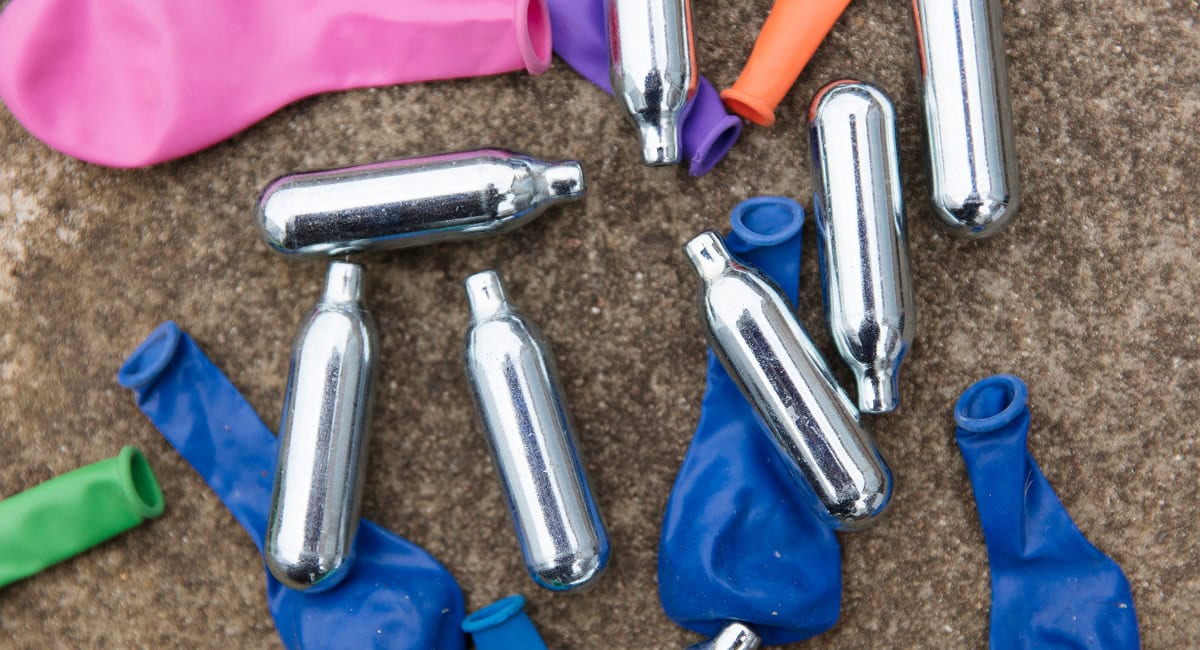
How Laughing Gas Damages the Nervous System and Causes Numbness and Weakness
Laughing gas, or nitrous oxide (N₂O), can produce a brief floaty, dizzy feeling and make laughter come easily. But with frequent, continuous, or heavy use, it can affect the nervous system — particularly causing numbness in the fingers and toes, weak legs, unsteady walking, or poor balance.
Many people assume that because laughing gas “wears off in minutes,” it can’t cause long-term harm. But the real danger is that nitrous oxide interferes with how the body uses vitamin B12 — a vitamin essential to the nerves, spinal cord, and the formation of the protective sheath around nerve fibers. Left unaddressed, this can cause lasting nerve damage, and some people may not fully recover.
How Does Laughing Gas Damage the Nervous System?
Think of vitamin B12 as the maintenance crew for the nervous system’s “wiring.” The body uses it to build and repair the protective sheath around nerves, which allows signals from the brain to travel properly to the arms, legs, and muscles.
When someone inhales laughing gas repeatedly, nitrous oxide interferes with how the body’s existing vitamin B12 functions. Sometimes a blood test will show a normal B12 level, even though the vitamin can no longer do its job — a condition known as functional vitamin B12 deficiency.
Once the nerves and spinal cord start to be affected, nerve signals don’t travel properly, causing numbness, a sensation like electric shocks or pins and needles, or unsteady control of the legs. Some people start with mild symptoms, but if use continues, symptoms can progress to difficulty walking, loss of balance, difficulty flexing the foot, or growing weakness.
Why Does It Cause Numb, Weak Legs and an Unsteady Walk?
Numbness and weakness stem from two main effects:
- Peripheral nerve dysfunction
The nerves responsible for sensation and movement in the hands and feet can start to lose function, causing numbness in the fingers and toes, a pins-and-needles sensation, or a feeling of walking on sponge. Some people feel their legs have no strength, find it hard to lift their feet, trip while walking, or struggle with stairs. These symptoms can build up so gradually that the person mistakes them for ordinary tiredness — when in fact they’re a sign coming from the nervous system.
- Impact on the balance-related pathways of the spinal cord
Laughing gas can affect the nerve pathways in the spinal cord that let the brain sense the position of the legs and feet. When this system doesn’t work well, the person may stagger, struggle to balance, feel like their legs aren’t syncing with their brain, or feel unsteady walking without being able to see their feet. Some people also experience clumsy hands, dropping things easily, or a general sense that their body is responding more slowly.
Warning signs you shouldn’t wait on
See a doctor or specialist right away if you notice any of the following after using laughing gas:
- Numbness in the fingers or toes, or a sensation like an electric shock
- Weak legs, staggering, walking crookedly, or trouble balancing
- Difficulty lifting the foot, tripping while walking, or trouble with stairs
- Weak hands, difficulty holding objects, trouble writing or typing
- Shooting pain in the arms or legs, or abnormal sensations
- Insomnia, anxiety, mood changes, or confused thinking
- Using laughing gas more frequently, using alone, or being unable to stop
The sooner symptoms are noticed and use is stopped, the better the chances of nerve recovery. Treatment usually requires a neurological assessment, blood tests, and a doctor’s evaluation of appropriate care — such as correcting a vitamin B12 abnormality — combined with genuinely stopping nitrous oxide use.
Will It Get Better? And When Should You Stop Using Laughing Gas Immediately?
Numbness or leg weakness from laughing gas has a good chance of improving if use is stopped early and the person receives an appropriate assessment and treatment. But symptoms shouldn’t be left to resolve on their own — some people end up with nerve or spinal cord damage severe enough to recover slowly, or to leave lingering numbness, unsteady walking, and weakness.
Recovery varies from person to person, depending on factors such as how long laughing gas has been used, how often or how much, how severe the neurological symptoms are, and how quickly use is stopped. In general, the sooner someone stops and starts treatment, the better the chances of recovery — but neurological symptoms can take weeks or months to improve, and some people may not fully return to normal.
Is It Enough to Just Take Vitamin B12 Supplements on My Own After Stopping?
Don’t assume that buying vitamin B12 supplements makes it safe to keep using laughing gas — because laughing gas interferes with how the body uses vitamin B12 in the first place. Anyone with neurological symptoms should be evaluated by a doctor, who may order blood tests, a neurological exam, or B12 supplementation by injection, which is more effective than oral supplements alone. Most importantly, the root cause has to be addressed: stopping laughing gas use. Taking vitamin B12 supplements cannot help if laughing gas use continues, because the gas will keep interfering with how the vitamin works regardless.
If you’re struggling to quit laughing gas, or you’re unsure whether numbness, weakness, or unsteady walking is connected to it, you can consult Day One Rehabilitation Center for initial guidance on assessment and next steps.
If you or someone you love is facing an addiction problem, don’t wait. Getting into treatment sooner means a better chance of recovery. Contact Day One Rehabilitation Center, a leading addiction treatment center, for consultation and comprehensive care.
Phone: +66 2-028-7775
LINE: @dayone
Location: 99/1 Moo 6, Si Chula, Mueang Nakhon Nayok, Nakhon Nayok 26000, Thailand (only a 1-hour drive from Bangkok)