Addictions & Conditions We Treat
Choose the substance or condition you are concerned about to see its signs, effects and how treatment works at Day One — written by our medical team.
Substances
Drugs, alcohol, nicotine and other psychoactive substances we treat

Yaba & Crystal Meth (Ice)
Yaba and crystal meth (ice) are methamphetamine-based stimulants. Learn the symptoms of meth addiction, brain effects, and the treatment path to recovery.
Signs & treatment ›Heroin
Heroin is an opioid derived from the opium poppy. Learn the signs of heroin addiction, overdose risks, and the medical and therapeutic path to recovery.
Signs & treatment ›
Ketamine (K)
Ketamine is a medically valuable drug when used under professional care. Learn the signs of ketamine addiction, its health risks, and how treatment works.
Signs & treatment ›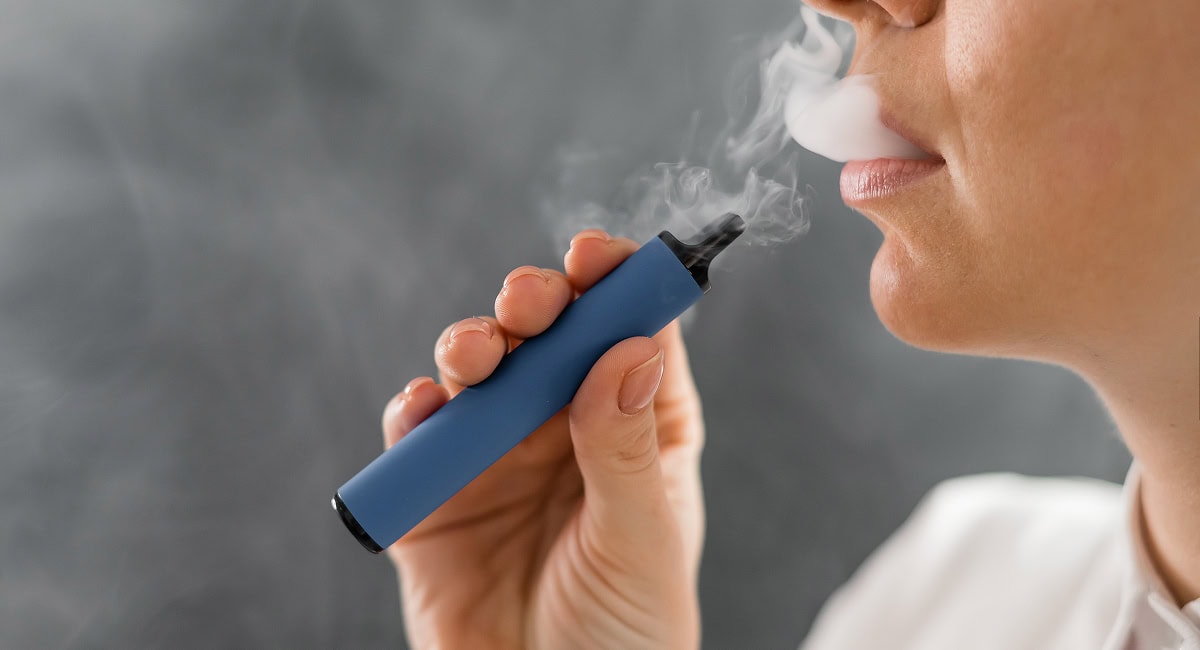
K-Pods (Etomidate)
K-pods are e-cigarettes secretly laced with etomidate or ketamine. Learn the warning signs, health risks, and how Day One treats K-pod addiction.
Signs & treatment ›
Cannabis
Cannabis affects the brain through THC, altering mood, memory, and perception. Learn the signs of addiction, withdrawal symptoms, and treatment options.
Signs & treatment ›
Kratom
Kratom may seem harmless as a plant, but regular use can lead to dependence and withdrawal. Learn the signs, risks of kratom juice, and treatment options.
Signs & treatment ›
Alcohol
Alcohol affects the brain and nervous system. Learn the signs of alcohol addiction, withdrawal risks, and how detox, medication and therapy work together.
Signs & treatment ›
Cocaine
Cocaine is a stimulant that produces alertness and confidence before a crash. Learn the signs of cocaine addiction and how treatment works at Day One.
Signs & treatment ›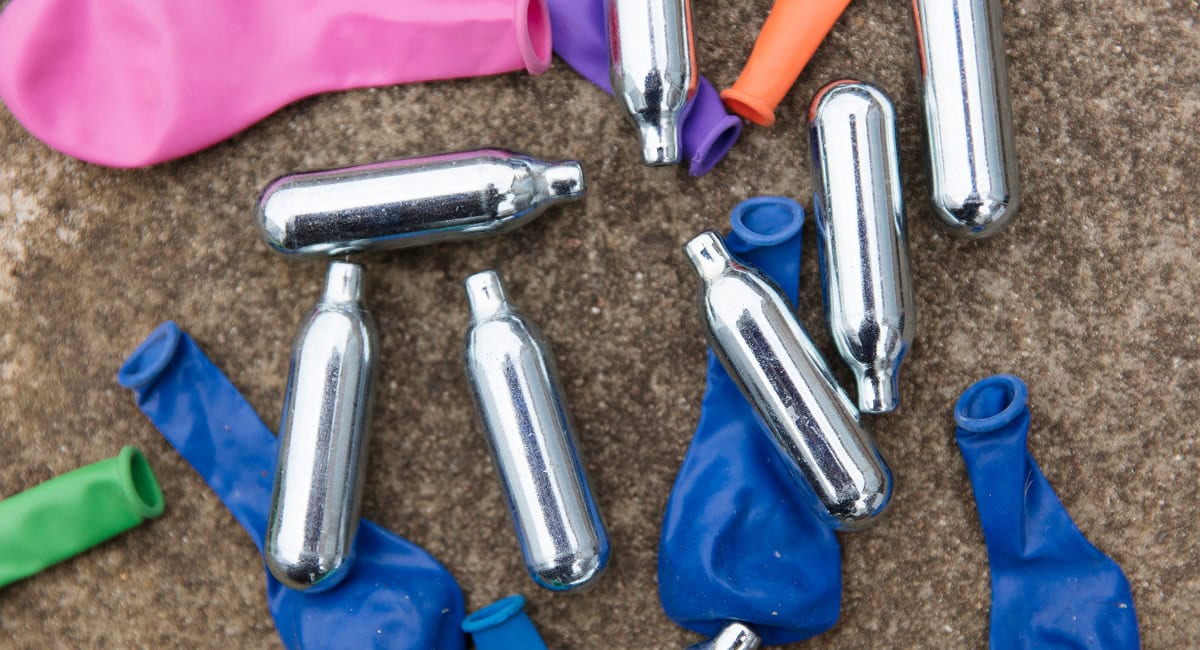
Laughing Gas (Nitrous Oxide)
Laughing gas (nitrous oxide) has legitimate medical uses, but recreational use can damage the nervous system and deplete vitamin B12. Signs and treatment.
Signs & treatment ›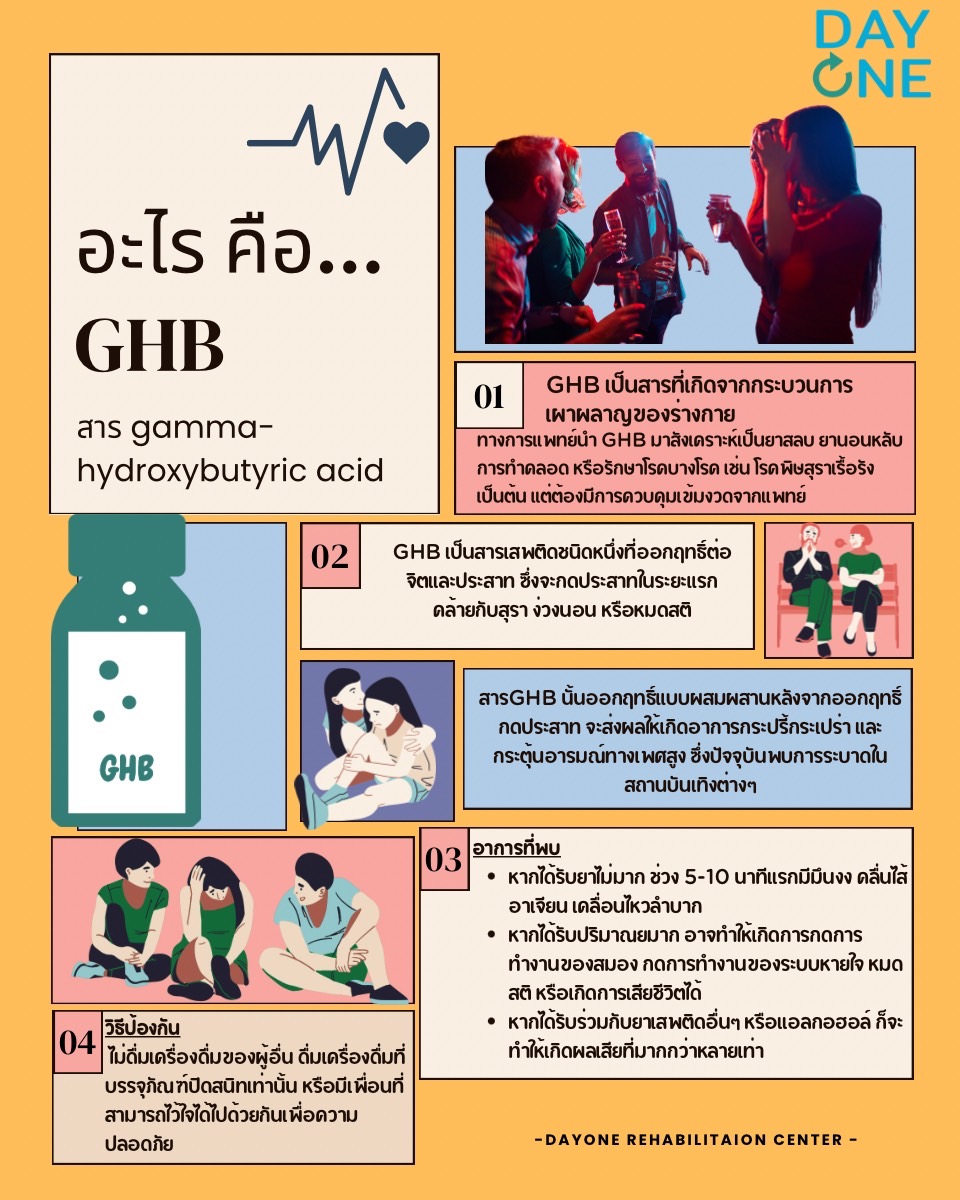
GHB & GBL
GHB and GBL are depressant drugs that cause relaxation and drowsiness but carry serious risks of overdose, dependence, and dangerous withdrawal.
Signs & treatment ›
Poppers
Poppers (alkyl nitrites) cause a brief high but can trigger dangerous drops in blood pressure, oxygen problems, and eye damage.
Signs & treatment ›
Cigarettes & Vaping
Cigarettes and vapes are hard to quit because of nicotine, which drives cravings and withdrawal — but quitting is achievable with the right plan and support.
Signs & treatment ›Polysubstance Use
Polysubstance use — combining two or more drugs or alcohol — is unpredictable and dangerous, but it is treatable with a plan that addresses every substance.
Signs & treatment ›Behavioral Addictions
Addictions without a substance, such as gambling, gaming and trading

Gambling Addiction
Gambling isn't just casinos — it includes online betting, baccarat, slots, and underground or online lottery. Learn the warning signs and treatment options.
Signs & treatment ›Gaming & Social Media Addiction
Games, social media, and short clips are part of daily life. Playing or scrolling to relax doesn't always mean addiction — learn the signs and treatment.
Signs & treatment ›Trading & Speculation Addiction
Investing isn't the same as gambling, but trading can become hard to control. Learn the signs of trading addiction and how treatment helps.
Signs & treatment ›Co-occurring Mental Health Conditions
Psychiatric conditions that often occur alongside substance use and need to be treated together

Depression
Depression is more than feeling sad sometimes — it changes mood, thoughts, sleep, and energy. Learn how it connects with substance use and treatment.
Signs & treatment ›Bipolar Disorder
Bipolar disorder brings major mood and energy shifts that can resemble, or be worsened by, meth, alcohol, or other substances. Signs families should know.
Signs & treatment ›
Anxiety Disorder
Anxiety disorder goes beyond normal worry, and substances like meth, cannabis, or alcohol can mimic or worsen it. Learn the signs families should watch for.
Signs & treatment ›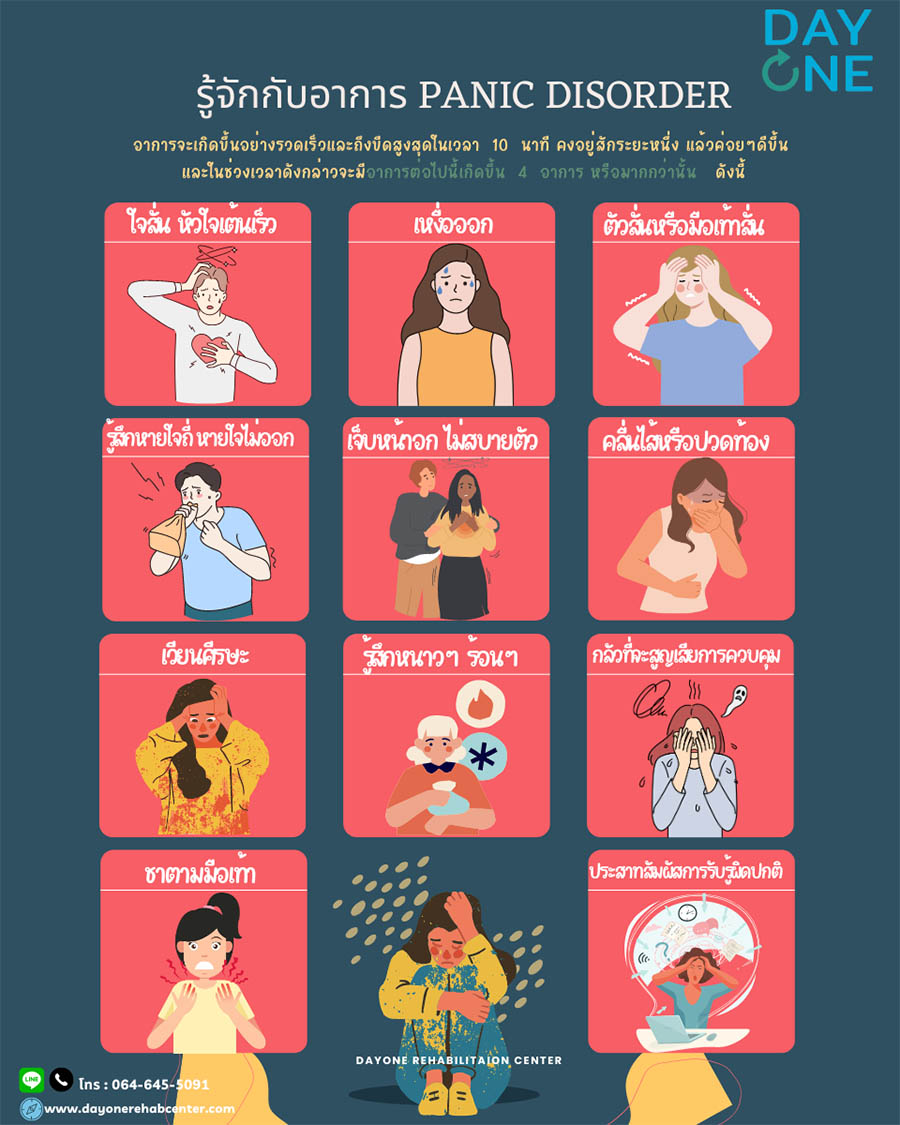
Panic Disorder
A racing heart, breathlessness, and chest tightness can be panic disorder — or triggered by meth, cannabis, or withdrawal. Signs and treatment for families.
Signs & treatment ›Social Anxiety Disorder
Being quiet, shy, or preferring solitude isn't social anxiety disorder. Some people simply dislike socializing yet can still study, work, and talk with others.
Signs & treatment ›
ADHD
Forgetfulness, unfinished tasks, restlessness, and impulsivity are common — but when they've been present since childhood, ADHD and substance use may be linked.
Signs & treatment ›
Schizophrenia
Schizophrenia affects thought, perception, mood, and daily life. Learn how it differs from drug-induced psychosis, and how families can find the right treatment
Signs & treatment ›Psychosis and Paranoia
Hearing voices when no one is there, believing someone is following or plotting against them, or seeing things others don't — is it drugs, or something more?
Signs & treatment ›Mood Swings and Irritability
Easily irritated, mood swinging up and down, more explosive anger than usual, frequent family conflict, or trouble controlling words and behavior.
Signs & treatment ›Trauma & PTSD
A traumatic event can leave lasting effects: nightmares, intrusive memories, hypervigilance. Learn how PTSD can lead to substance use, and how both are treated.
Signs & treatment ›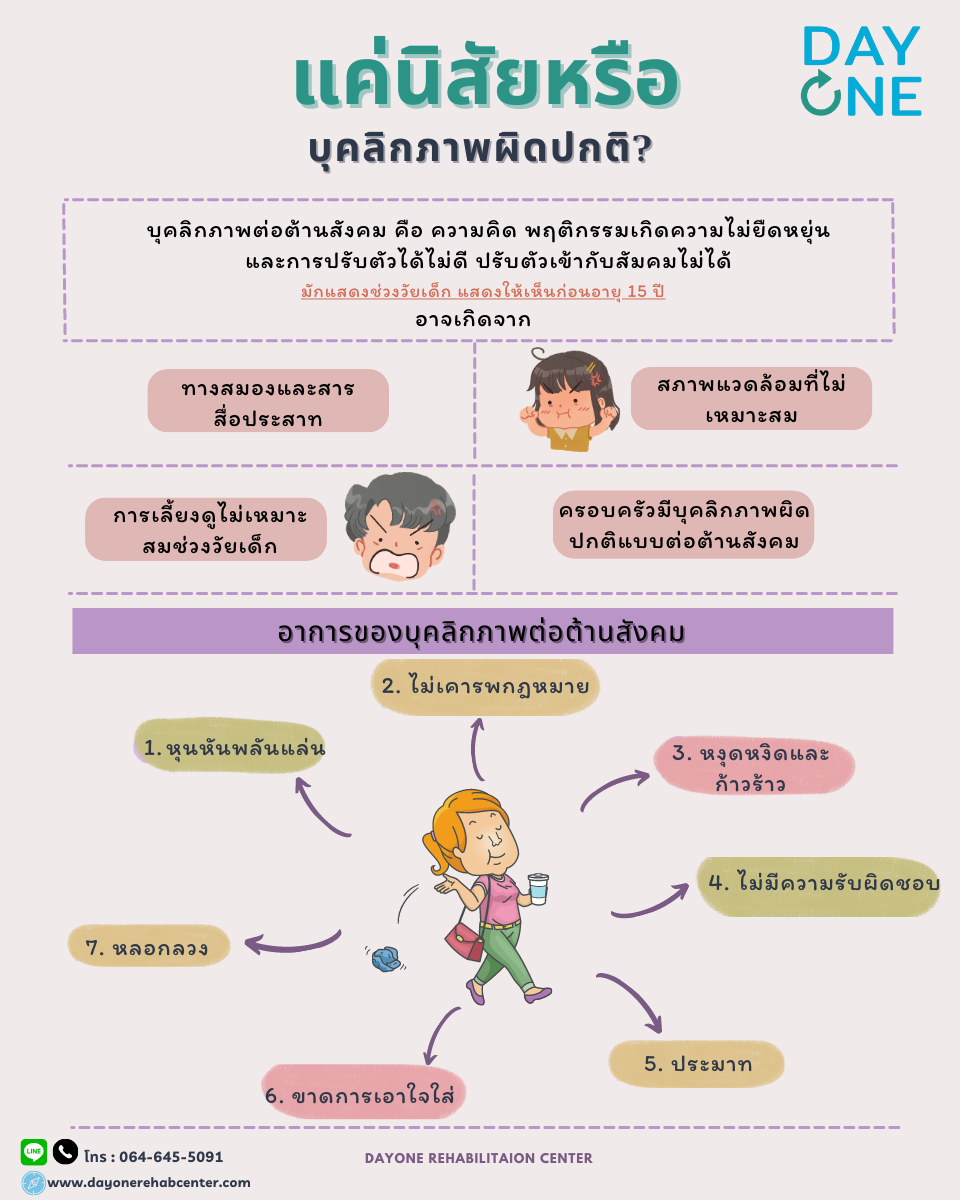
Personality Disorders
Fast mood swings, frequent conflict with loved ones, impulsivity, fear of abandonment, distrust, or risky behavior can signal more than substance use.
Signs & treatment ›Sleep Problems
Insomnia, restless sleep, waking at night, nightmares, sleeping days and awake nights, or needing alcohol, cannabis, or medication just to fall asleep.
Signs & treatment ›Family Problems and Substance Use
Family conflict, blame, and broken trust often surround substance use. See how family problems and addiction feed each other, and how to help without enabling.
Signs & treatment ›Relationship Problems and Substance Use
Fights, jealousy, broken promises, and lying often surround a partner's addiction. Learn how relationships and substance use affect each other, and how to help.
Signs & treatment ›