
Drug & Alcohol Rehab in Thailand: A Guide for Families
When someone you love is struggling with drugs or alcohol, the search for help can feel overwhelming — especially when you are looking at treatment in another country, or navigating options far from home. This guide explains how residential rehabilitation in Thailand works, and what to look for when choosing a center.
Why Residential Rehab?
Addiction is now understood by medical science as a chronic, relapse-prone illness — not a personal failing. Recovery is hardest in the same environment where the addiction grew: the same triggers, the same social circles, the same stresses.
Residential rehabilitation removes that obstacle. Living at a treatment center puts real distance between the person and their triggers, and surrounds them instead with structure, medical care, and a community organized entirely around recovery. With round-the-clock support, they can give treatment their full attention — often for the first time.
What Treatment Involves
Effective addiction treatment combines several approaches, tailored to each person:
- Medical and psychiatric care — assessment by physicians, treatment of co-occurring mental health conditions, and management of the brain’s dependence
- Psychotherapy — one-on-one sessions and group therapy using established methods such as Cognitive Behavioral Therapy (CBT), Motivational Enhancement Therapy (MET), and the Twelve-Step approach
- Therapeutic activities — mindfulness meditation, music, art, exercise, cooking, and gardening therapy, which rebuild focus, confidence, and the capacity for natural enjoyment without substances
- Family therapy — because families are central to lasting recovery, both in understanding the illness and in supporting the person after treatment
What to Look For in a Thai Rehab Center
- Official licensing. In Thailand, legitimate rehabilitation facilities are certified by the Ministry of Public Health. Ask to see evidence of certification — it covers standards for personnel, treatment programs, facilities, and safety.
- A real clinical team. Look for psychiatrists, psychiatric nurses, and clinical psychologists on staff — not only support workers.
- Individualized programs. Every person’s path into addiction is different; treatment should be designed around each individual, not one-size-fits-all.
- An environment that supports recovery. Calm, private surroundings — away from old triggers — make a measurable difference.
- Confidentiality. Strict privacy policies protect the person’s reputation, career, and family.
About Day One
Day One Rehabilitation Center is a private residential rehab in Nakhon Nayok, Thailand — about one hour’s drive from Bangkok. The center is certified by the Ministry of Public Health as a rehabilitation facility, and treatment is led by a multidisciplinary team of psychiatrists, psychiatric nurses, clinical psychologists, and occupational therapists.
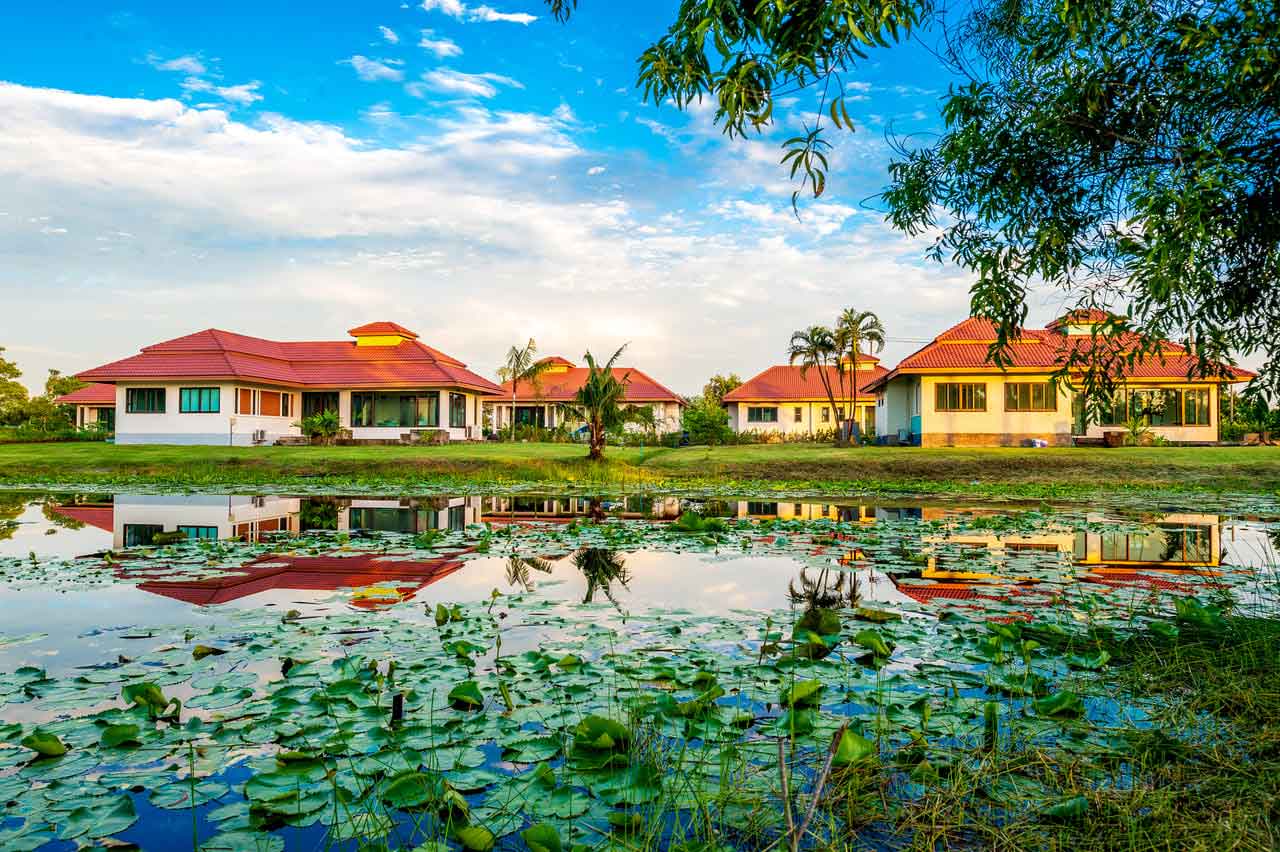
Residents stay in private rooms on a quiet lakeside campus surrounded by nature, with programs beginning at four weeks and continuing for three to six months where needed. Every program is designed individually, and family involvement is built into treatment from the start.
If you are exploring treatment for yourself or someone you love, contact us for a free, confidential consultation.