Ketamine: From Horse Tranquilizer to Recreational "K"
Ketamine Use: A Path to Ruin, and a Way Back Through Addiction Treatment
Ketamine is a hallucinogenic substance. Before it became a drug of misuse, ketamine was used as an anesthetic for horses, and the amount a person dependent on ketamine typically uses in a day is roughly enough to sedate a full-grown horse. Users typically take it at parties, clubs, and lounges — within this scene, ketamine use is often referred to simply as using “K.”
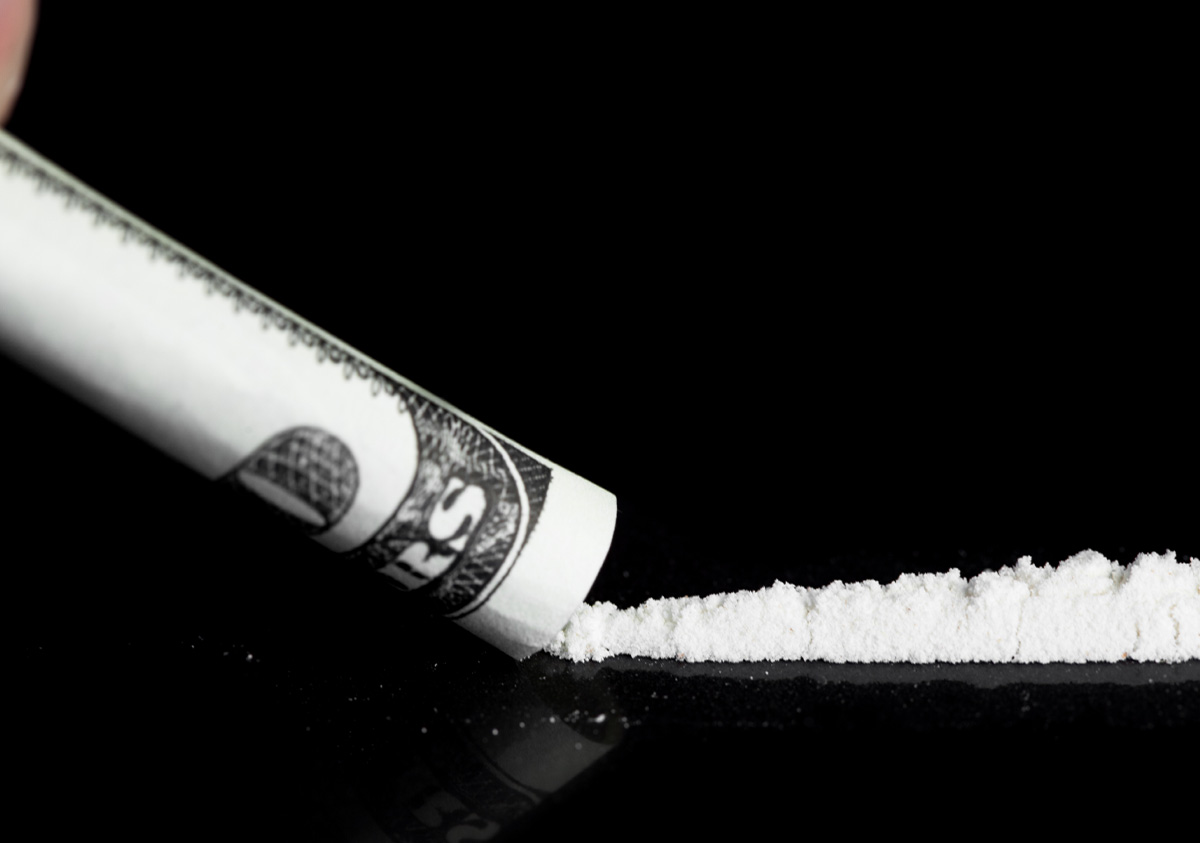
Ketamine appears as a fine white powder, though users sometimes buy it in liquid form and heat it in a microwave until it dries into powder. If someone close to you has a fine white powder in their possession, or has been heating some kind of liquid in the microwave until it turns to powder, it may be a sign they’re using ketamine.
Users typically take ketamine by snorting it, similar to cocaine. After use, it produces a strong sense of disorientation and euphoria.
The Dangers of Ketamine
• Ketamine intoxication
Users describe feeling like they’ve lost touch with reality, deeply disoriented — some describe it as feeling like they’ve slipped into another world, sometimes called a “bad trip.”
• Ketamine-related cystitis
Ketamine damages the lining of the bladder, causing painful, burning urination and frequent urination — in severe cases, as often as every 15-30 minutes — along with pelvic pain, a feeling of incomplete emptying, and cloudy, bloody, or pus-filled urine. With continued use, the bladder can become scarred to the point of permanent damage, sometimes requiring surgical removal of the bladder and a permanent urinary diversion through the abdominal wall.
• Abdominal pain, sometimes called “K cramps”
Ketamine use has been linked to bile duct abnormalities that cause abdominal pain.
• Various psychiatric conditions
Ketamine use can lead to a range of psychiatric conditions, including depression, ketamine-induced psychosis, schizophrenia, and bipolar disorder.
Quitting Ketamine
Quitting ketamine should be done abruptly rather than gradually, since stopping cold turkey does not produce any dangerous physical withdrawal symptoms. The main effects users may experience are cravings, irritability, mood swings, and depression. If these symptoms occur, users should consult a psychiatrist or seek treatment at an addiction treatment center, where medication can help reduce cravings and stabilize mood, making it easier to quit ketamine for good.
For more information, please contact us at:
99/1 Moo 6, Si Chula, Mueang Nakhon Nayok, Nakhon Nayok 26000, Thailand
+66 64-645-5091 [email protected]
Mon – Sun: 9:00 AM – 5:00 PM (ICT)