Common Drugs Found Around Us
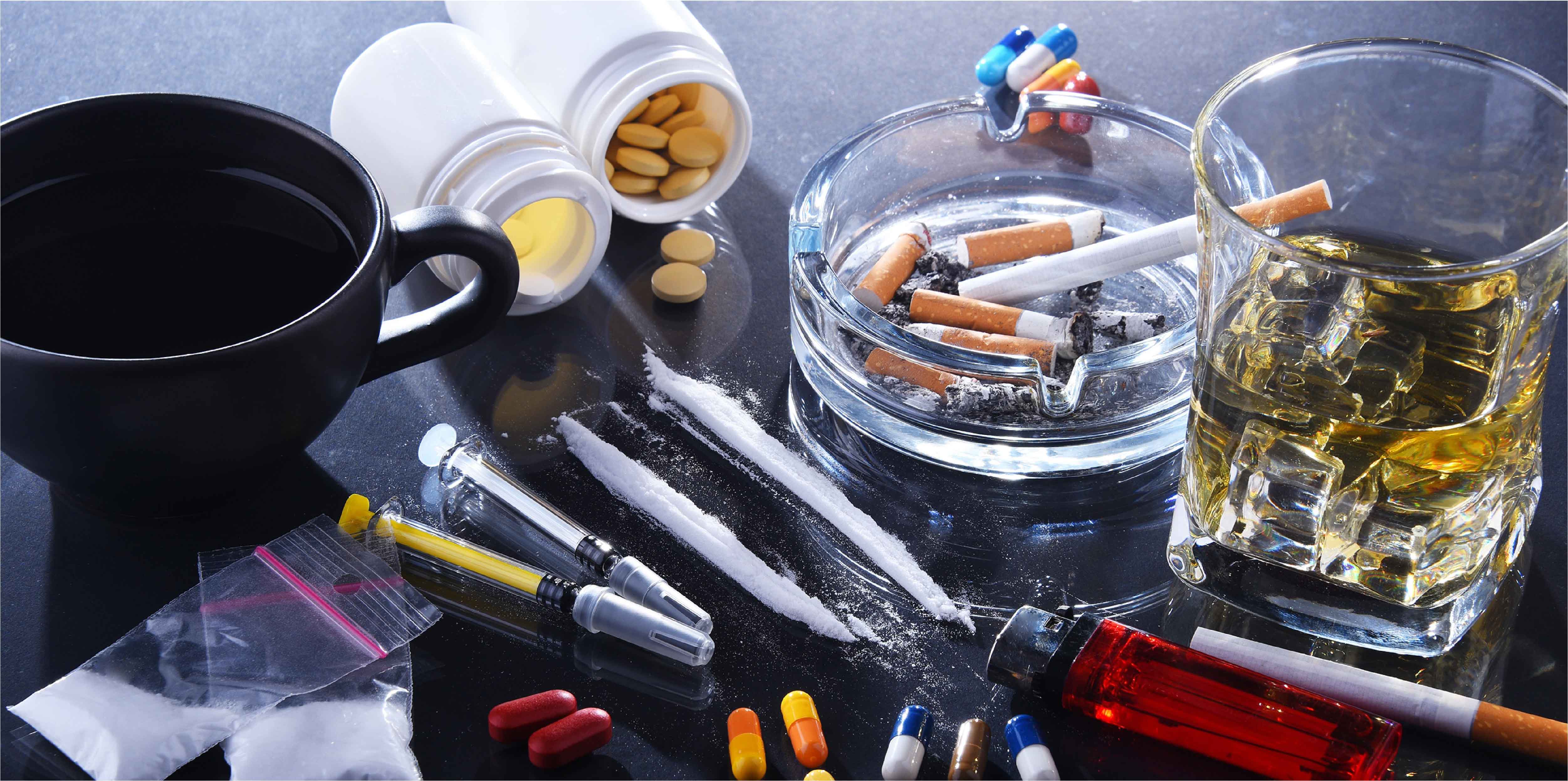
Common Drugs Found Around Us
Knowing each type of substance is the first step toward the right treatment
Drug abuse is one of Thai society’s major problems. Once a person takes addictive substances, they develop substance-induced disorders along with emotional and physical side effects. The loss of self-restraint in everyday situations puts family members and the people around them at risk — and, as the news continues to show, often leads to crime.
The most common types of addictive substances are as follows:
1. Classified by origin:
1.1 Natural drugs — substances distilled or extracted directly from certain plants, such as opium, cocaine, and cannabis, including compounds chemically processed from those plants, such as morphine and heroin, which are derived from opium.
Signs of morphine addiction: at first, morphine reduces anxiety, relieves physical pain, and makes sleep come easily. Once addiction takes hold, going without it causes restlessness, aggression, paranoia, insomnia, and stomach pain — in some cases leading to death.
Signs of heroin addiction: early use causes dizziness and drowsiness. Regular use wastes the body away — absent-mindedness, weight loss, deterioration of the brain and nervous system, and constant exhaustion. An overdose of heroin can cause heart failure and death.
1.2 Synthetic drugs — substances produced chemically in laboratories to act in place of natural drugs, with the same effects. An example is methadone, classified as equivalent to morphine, used medically to treat severe pain or as a treatment substitute for opium and heroin addiction — always under a physician’s supervision.
Signs of methadone misuse: taking methadone without supervision, or overdosing, causes cold skin, slowed breathing, and a drop in blood pressure that can be fatal.
2. Classified by effect on the human body:
2.1 Depressants — drugs that suppress the nervous system. They relieve physical pain and cause drowsiness; some people use them to ease stress and forget their worries. But users become addicted: preoccupied with the substance, losing pleasure in other activities, and suffering greatly when they stop. Drugs in this group include opium, morphine, heroin, and alcohol.
2.2 Stimulants — drugs that stimulate the nervous system and brain. While active, they make the user feel alert for a time and boost self-confidence. Continued use, however, can cause permanent psychiatric symptoms: even after stopping, users may still hear voices, feel paranoid, and hallucinate. Stimulants also strain the heart, causing heart failure, irregular heartbeat, and death. Those who stop early feel severe drowsiness and exhaustion, which gradually improves within 1–2 weeks. Drugs in this group include methamphetamine (yaba), crystal meth (ice), and cocaine.
Signs of methamphetamine (yaba/ice) addiction: at first the body feels alert, with high blood pressure, palpitations, and a racing heart. As the drug wears off, users feel drained and mentally fatigued, with slow and faulty decision-making. Long-term use causes brain deterioration, hallucinations, delusions, paranoia, mania, and psychosis — in some cases unconsciousness and death.
Signs of cocaine addiction: early use brings euphoria and reduced anxiety, but prolonged use causes hallucinations, insomnia, and constant restless energy. Severe addiction affects the heart — racing heartbeat, seizures, heart failure, and death.
2.3 Hallucinogens — drugs that impair the senses, creating sensations with no basis in reality: seeing images, hearing sounds that are not there, or holding delusional beliefs in things that never happened, including imagined supernatural experiences. Drugs in this group include LSD and ketamine.
Signs of LSD addiction: early use brings euphoria and excitement, followed later by hallucinations and paranoia. Users may harm themselves or be driven toward suicide, unable to control their own actions. Long-term use leads to psychosis and persistent hallucinations.
Signs of ketamine addiction: hallucinations, vomiting, and seizures, with the brain and muscles starved of oxygen. A dose as high as one gram can be fatal.
2.4 Mixed-action drugs — substances whose effects combine suppression, stimulation, or hallucination. Cannabis, for example, acts as a depressant in small amounts, but at higher doses becomes a hallucinogenic toxin.
Signs of cannabis addiction: at first, cannabis stimulates the nerves — the user becomes cheerful, talkative, and quick to laugh. This gives way to symptoms resembling mild drunkenness: drowsiness, lethargy, hallucinations, hearing voices, anxiety, and paranoia. Some users suffer memory loss and lose self-control. The toxins in cannabis also damage the body’s immune system, leaving it weak and vulnerable to other diseases.
Whatever the method of use, every type of substance above causes severe and lasting harm to body and mind. If you or your family are caught in the orbit of addiction, proper, well-informed treatment is essential — motivating the person to change their behavior and never return to substance use.
Quitting drugs is not easy, and patients cannot do it alone. People with addiction need medical help to make it through. If you or someone in your family has lost their way and wants to quit drugs, or your family is searching for treatment, consult DAY ONE REHABILITATION CENTER — a drug rehabilitation center with a resort-like atmosphere, embraced by water and nature, calm and restorative, in Nakhon Nayok province. We are a rehabilitation facility for people with substance problems — for those seeking how to quit drugs, quit alcohol, or even quit gambling — with a team of expert physicians, psychiatrists, psychiatric nurses, psychologists, and occupational therapists specializing in addiction, ready to advise and support you.
Contact us
99/1 Moo 6, Si Chula, Mueang Nakhon Nayok, Nakhon Nayok 26000, Thailand
+66 64-645-5091
Mon – Sun: 9:00 AM – 5:00 PM (ICT)